# What to Expect From Hat Embroidery Digitizing Services USA
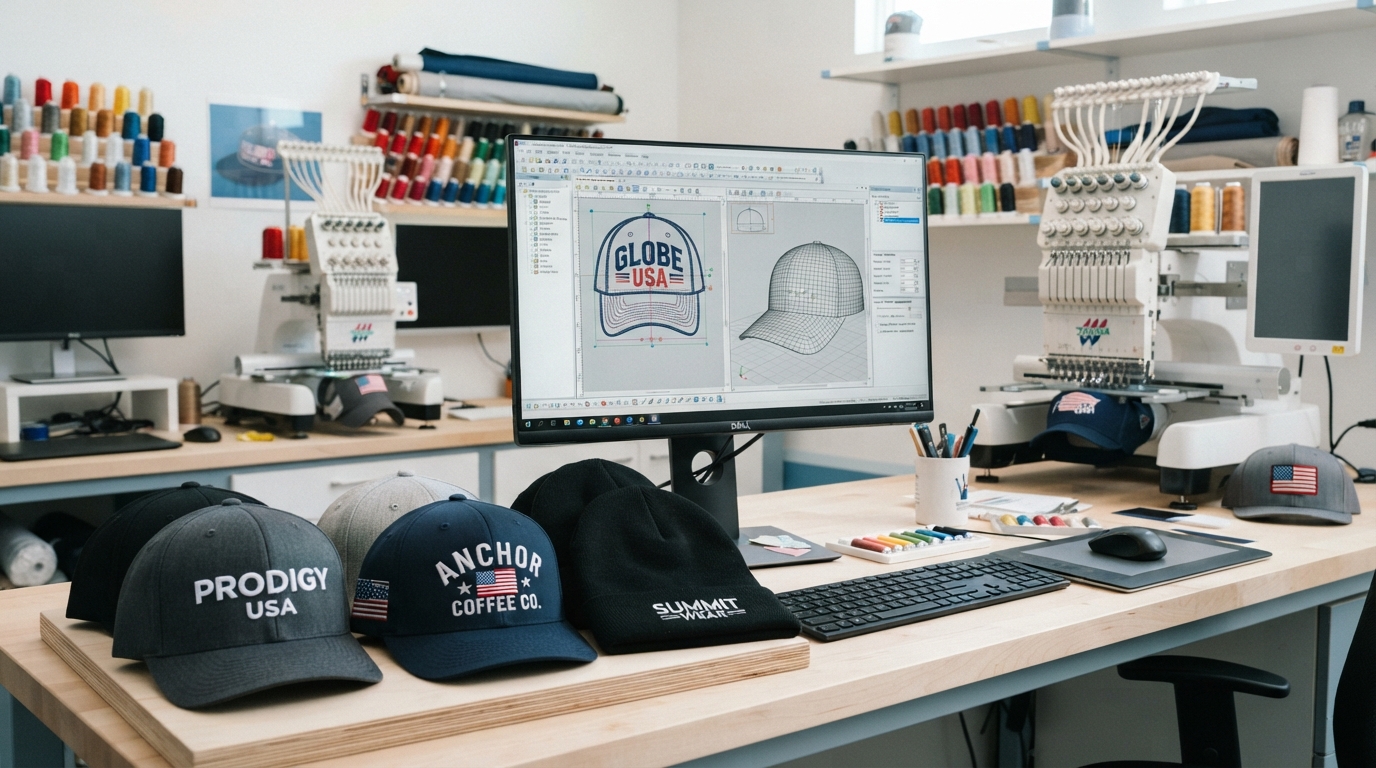
Hat embroidery requires more than simply placing a logo into an embroidery machine. Caps and hats have curved surfaces, limited embroidery areas, different fabric structures, and specific stitching requirements. Because of these factors, artwork that looks correct on a computer screen may not produce the same result when embroidered on a hat.
This is why **[hat embroidery digitizing services USA](https://idigitize.com/pages/cap-digitizing)** are used by businesses, apparel brands, promotional companies, uniform suppliers, embroidery shops, and individuals who need logos prepared specifically for caps and hats.
A professional digitizing process converts artwork into an embroidery file with carefully planned stitch types, density, sequencing, underlay, and stitch direction. The file is then prepared according to the intended hat style, embroidery size, and machine requirements.
If you are considering professional hat embroidery digitizing, knowing what to expect can help you prepare your artwork and communicate your requirements more effectively.
## What Is Hat Embroidery Digitizing?
Hat embroidery digitizing is the process of converting a logo, text, or artwork into a machine-readable embroidery file specifically suited for hats or caps.
Unlike a flat garment, a hat often has a curved front panel. The embroidery machine must place stitches across this curved surface while maintaining the shape and proportions of the artwork.
The digitizer creates a stitch plan that tells the embroidery machine where to place each stitch, which direction to follow, what thread color to use, and which section to sew first.
Common embroidery formats include DST, PES, JEF, and HUS, although the required format depends on the machine.
## Why Hat Embroidery Requires Specialized Digitizing
Hat embroidery presents several technical challenges.
The curved surface can affect stitch registration, while the limited front-panel area restricts the available embroidery size. Thick materials, structured caps, seams, and stiff backing can also affect stitch formation.
A design that works well on a T-shirt may need adjustments before it is used on a cap.
For example, a logo with very small lettering may remain readable on a large shirt but become difficult to reproduce on a small curved hat panel.
Professional digitizing takes these limitations into account before the file is used for production.
## What Should You Expect From Hat Embroidery Digitizing Services USA?
When you order professional hat digitizing, the process generally involves several stages.
### 1. Artwork Review
The first step is reviewing the artwork you provide.
The digitizer may examine the logo's:
* Shapes
* Text
* Fine details
* Colors
* Outlines
* Overall dimensions
* Intended embroidery placement
High-resolution artwork or editable vector artwork can make the preparation process easier, but many professional services can also work with JPG, PNG, PDF, and other common formats.
If the artwork contains details that may not reproduce well in embroidery, adjustments may be necessary.
### 2. Embroidery Size Assessment
Hat embroidery has a limited working area, especially on the front panel of a cap.
The digitizer considers the intended dimensions before creating the stitch file. This helps prevent a design from becoming too large for the available area.
The final size should also take the logo's level of detail into account.
A highly detailed design may need simplification when reduced to a smaller embroidery size.
### 3. Stitch Type Selection
Different parts of a logo can require different stitch types.
Common options include:
* Satin stitches
* Fill stitches
* Running stitches
* Underlay stitches
Satin stitches are often useful for lettering, borders, and narrow shapes. Fill stitches can cover larger areas, while running stitches may be suitable for fine lines and small details.
The digitizer selects stitch types based on the design rather than treating every logo section in the same way.
## 4. Stitch Direction Planning
Stitch direction can affect both appearance and stitch behavior.
On a curved hat panel, stitch direction needs careful planning because the embroidery surface is not flat.
A professional digitizer can adjust stitch angles across different sections to help maintain the intended shape and visual structure of the logo.
This is especially important for curved letters, borders, symbols, and other elements where stitch direction affects the appearance.
## 5. Underlay Selection
Underlay stitches are placed beneath the main stitches to provide support.
For hat embroidery, suitable underlay can help stabilize the design and provide a foundation for the top stitching.
The correct underlay depends on the design, fabric, stitch type, and embroidery size.
Too much underlay can create unnecessary buildup, while insufficient support can affect coverage and registration.
## 6. Stitch Density Adjustment
Stitch density is another important part of hat digitizing.
A dense design can place a significant amount of thread into a relatively small area. On a structured cap, excessive density may create unnecessary stiffness or buildup.
On the other hand, insufficient density can lead to poor coverage.
Professional digitizing aims for appropriate density based on the design and material rather than simply increasing the stitch count.
## 7. Stitch Sequencing
The order in which different areas are embroidered can affect the final result.
A carefully planned sequence can reduce unnecessary jumps and thread changes while helping different design sections align correctly.
For hat embroidery, sequencing can be particularly important because the curved surface leaves less room for correcting registration problems after stitching begins.
## 8. Small Text Optimization
Small lettering is one of the more challenging parts of hat embroidery.
When text is reduced to a small size, certain letter shapes may become difficult to reproduce using thread.
A professional digitizer may modify letter spacing, stitch direction, density, and letter construction to improve readability.
If the text is extremely small, the digitizer may recommend simplifying it or increasing its size where possible.
## 9. Design Adjustments for Curved Surfaces
A cap's front panel is different from a flat shirt.
The curvature can affect how stitches are placed across the design. Some designs may require adjustments to compensate for the shape of the embroidery area.
A professional hat digitizing process considers this before the file reaches the embroidery machine.
This is one reason why using a garment digitizing file without reviewing it for hat production may produce inconsistent results.
## 10. Thread Color Selection
If your hat contains a company logo or branded artwork, thread color selection can be important.
The digitizer may match the artwork to available embroidery thread colors while considering the actual production environment.
A logo may also need sufficient contrast against the hat color so that the design remains visible.
For businesses ordering hats in multiple colors, the artwork may need additional consideration to maintain visual consistency.
## 11. File Format Selection
Once the digitizing process is complete, the file needs to be supplied in a format compatible with the embroidery machine.
Common formats include:
* DST
* PES
* JEF
* HUS
DST is widely used across commercial embroidery machines, while PES is commonly associated with Brother embroidery systems. JEF is associated with Janome machines, and HUS is commonly used with certain Husqvarna Viking machines.
The correct format should always be confirmed with the embroidery machine operator before the file is prepared.
## What Information Should You Provide?
Providing complete information can help the digitizer prepare a more suitable file.
When submitting a hat embroidery project, provide the original logo or artwork along with the desired embroidery size and hat type.
It is also helpful to provide:
* Hat color
* Hat material
* Front or side placement
* Desired thread colors
* Required file format
* Final embroidery dimensions
* Any specific production requirements
If you are ordering hats for a business, mention whether the same logo will be used on different cap styles.
## What Hat Types Can Be Digitized?
Hat embroidery digitizing can be used for many types of caps and hats.
### Baseball Caps
Baseball caps are commonly used for company logos, sports designs, promotional campaigns, and branded merchandise.
### Snapback Caps
Snapbacks can feature logos, lettering, symbols, and other artwork on the front panel.
### Trucker Hats
The front panel of a trucker hat can be prepared for embroidered logos, although the specific construction and material should be considered.
### Structured Caps
Structured caps often have firmer front panels. The material and construction can affect how embroidery is formed.
### Unstructured Caps
Unstructured caps can have softer front panels, which may require different digitizing and stabilizing considerations.
The appropriate settings depend on the specific hat and production setup.
## Common Hat Embroidery Problems
Even a good design can experience problems if the file or production settings are not suitable.
Common issues include:
### Puckering
Puckering can occur when fabric is pulled or compressed by embroidery. Density, stabilizer, hooping, and machine settings can all contribute.
### Thread Breaks
Thread breaks can result from multiple factors, including needle condition, thread tension, thread quality, stitch density, and machine settings.
### Poor Registration
Registration problems occur when different parts of the design do not align as intended.
Hat curvature, material movement, hooping, and stitch sequencing can influence this issue.
### Small Text Becoming Unclear
Tiny letters can lose readability when embroidered at a small size. Digitizing adjustments may help, but embroidery has physical limitations.
### Excessive Thread Buildup
Too many stitches in a small area can create unnecessary thread buildup and may affect the feel and appearance of the hat.
## How Professional Hat Digitizing Can Help
Professional digitizing does not remove every embroidery production variable, but it can provide a file that has been prepared with the intended application in mind.
A carefully prepared file can help with:
* Better stitch organization
* Appropriate density
* Improved lettering
* Cleaner sequencing
* Better use of stitch types
* More suitable underlay
* Reduced unnecessary jumps
* More consistent design reproduction
The final result still depends on the embroidery machine, thread, needle, stabilizer, hat material, hooping, and operator settings.
## Hat Digitizing vs Regular Garment Digitizing
Hat and garment embroidery share many basic principles, but their production requirements can differ.
A T-shirt generally provides a relatively flat embroidery area. A hat presents a curved surface with a smaller working area.
This can affect stitch direction, design size, sequencing, and registration.
For this reason, a logo should be reviewed according to its final application rather than assuming that one file will perform identically on every product.
## How to Choose Hat Embroidery Digitizing Services USA
When selecting a digitizing service, consider the complete process rather than focusing only on price.
Review the provider's experience with hats, caps, small lettering, logos, and different fabric types. If available, examine actual embroidered samples rather than relying only on software previews.
Ask about file formats, revisions, turnaround time, and whether the service can make adjustments for different hat styles.
Clear communication is also important. A good digitizing workflow should allow you to provide the intended size, placement, material, and production requirements.
## What Can You Expect After the File Is Completed?
After digitizing, you should receive an embroidery-ready file in the required format.
Depending on the service, you may also receive a digital stitch preview showing the planned embroidery.
Before beginning a large production order, it can be useful to test the file on the actual hat material.
A test embroidery can reveal issues that are difficult to identify from a digital preview alone. This is particularly useful for detailed logos, small lettering, curved designs, or large commercial orders.
## Tips for Getting Better Hat Embroidery Results
Start with the best artwork available. Clear vector artwork can make it easier to preserve shapes and details during preparation.
Provide the exact embroidery size instead of only sending the logo without dimensions.
Tell the digitizer what type of hat will be used. A structured cap, soft cap, trucker hat, and other products can have different material characteristics.
Also provide the required machine format before the file is prepared.
If the design contains very small text or fine details, ask whether those elements are suitable for the intended embroidery size.
## How Much Does Hat Embroidery Digitizing Cost?
The cost of hat digitizing can vary depending on the complexity of the logo, stitch count, number of colors, artwork quality, required turnaround, and service provider.
A simple logo with large shapes may require less work than a detailed design containing small lettering and multiple elements.
Instead of evaluating cost based only on the number of colors or the visual size of the logo, consider the amount of technical preparation required.
## Why Businesses Use Professional Hat Digitizing
Businesses often use embroidered hats for uniforms, promotional campaigns, events, teams, and branded merchandise.
A logo that is prepared correctly for the intended cap can help create more consistent embroidery across production runs.
For companies ordering large quantities, testing the digitized file before full production can also help identify technical issues early.
## Final Thoughts
Hat embroidery requires careful preparation because caps and hats have curved surfaces, limited embroidery areas, and different material characteristics. A logo that works well on a flat garment may require adjustments before it is suitable for a hat.
Professional **hat embroidery digitizing services USA** can prepare artwork with stitch density, underlay, stitch direction, sequencing, lettering, file format, and hat requirements in mind.
Before ordering, provide accurate artwork, final size, hat type, placement, colors, and machine format. For important commercial projects, a test stitch-out can also help verify the file before full production.
When these details are considered during digitizing, businesses can receive embroidery files that are better prepared for their intended hat production needs.
## FAQs
### Q1. What are hat embroidery digitizing services?
Hat embroidery digitizing services convert logos, text, and artwork into embroidery files specifically prepared for caps and hats.
### Q2. Why is hat digitizing different from shirt digitizing?
Hats usually have curved surfaces and smaller embroidery areas. These factors can affect stitch direction, density, sequencing, and registration.
### Q3. What file formats are used for hat embroidery?
Common formats include DST, PES, JEF, and HUS. The correct format depends on the embroidery machine.
### Q4. Can any logo be embroidered on a hat?
Most logos can be prepared for embroidery, but very small details and lettering may need modification or simplification because of the limited embroidery area.
### Q5. How large should a hat logo be?
The appropriate size depends on the hat style, front-panel dimensions, logo shape, and level of detail. The digitizer can recommend a suitable size based on the intended application.
### Q6. Can the same digitized file be used for shirts and hats?
Not always. A file prepared for a flat garment may require adjustments before being used on a curved hat surface.
### Q7. Does hat digitizing include thread color selection?
The digitizing process can include thread color assignments based on the original artwork and available embroidery threads.
### Q8. Should I test a hat embroidery file before bulk production?
For important or large orders, a test stitch-out can help identify issues related to sizing, density, registration, lettering, thread, and fabric before full production.